
Ingredient
Ingredient
Information on Sinensis Cordyceps, soybean-substrate cultivation, and analytical values for manufacturers and R&D teams.
What Is Sinensis Cordyceps?
Sinensis Cordyceps is based on Ophiocordyceps sinensis, known as Cordyceps in the narrow sense of the term. The name Cordyceps is used broadly, but this site focuses on the sinensis species and organizes its characteristics as a B2B ingredient.
Wild Sinensis Cordyceps has been recognized as a rare material associated with high-altitude regions such as Tibet, Nepal, and Bhutan. Pricing varies by quality, timing, and market conditions, so this site does not make fixed price claims.
Soybean-Substrate Cultivation
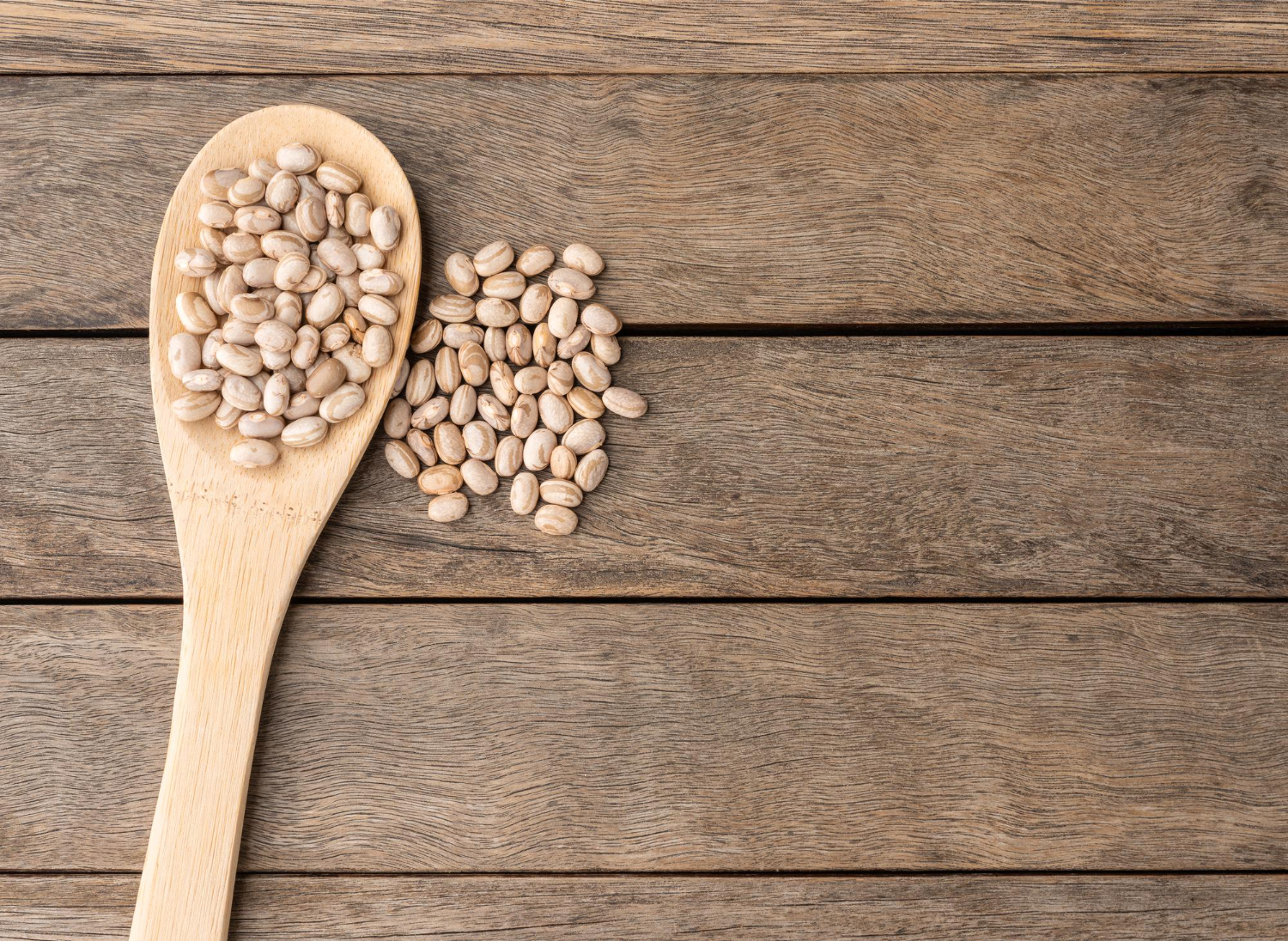
The material is produced through a cultivation process that does not use insects as hosts. The soybean-based substrate supports a cultivation approach suited to ingredient design rather than wild harvesting.
Because the process includes soy-derived material, allergen labeling, intended application, export requirements, and final product labeling should be reviewed for each product. Details on formulation and labeling can be discussed during ingredient adoption review.
Analytical Values
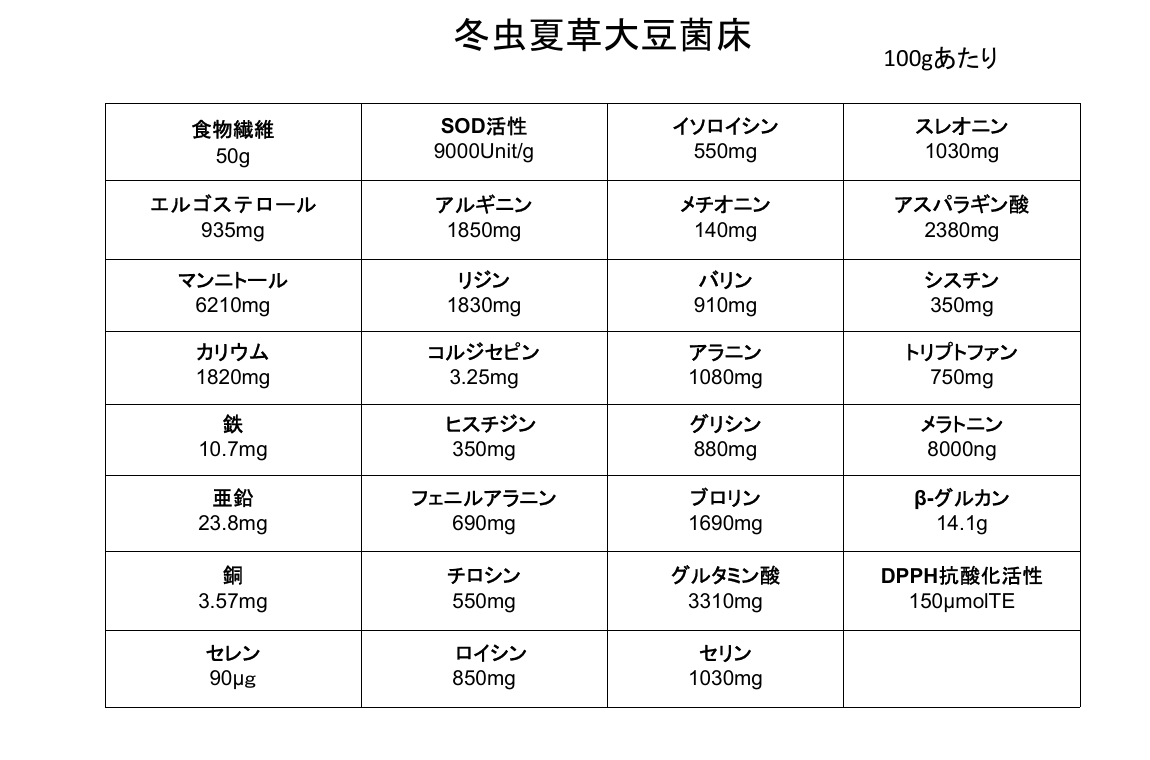
The following values are analytical examples per 100g of Cordyceps soybean substrate. Composition names are shown as analytical items for ingredient evaluation.
| Item | Value | Item | Value |
|---|---|---|---|
| Dietary fiber | 50g | Beta-glucan | 14.1g |
| Mannitol | 6210mg | Cordycepin | 3.25mg |
| Ergosterol | 935mg | SOD activity | 9000Unit/g |
| Melatonin | 8000ng | DPPH antioxidant activity | 150μmolTE |
| Isoleucine | 550mg | Threonine | 1030mg |
| Arginine | 1850mg | Aspartic acid | 2380mg |
| Glutamic acid | 3310mg | Proline | 1690mg |
| Potassium | 1820mg | Zinc | 23.8mg |
| Iron | 10.7mg | Selenium | 90μg |
Analytical values are examples and may vary by lot, test conditions, and testing organization. This information is ingredient data for business review and does not indicate treatment, prevention, or improvement of disease or body function.